Posts tagged "Mazlan Abbas"

Building IoT Solutions Through the Strengths of Each Partner

September 28th, 2026 Posted by BLOG, HOW-TO, Internet of Things, IOT PLATFORM, Operational Blindness, PARTNER 0 thoughts on “Building IoT Solutions Through the Strengths of Each Partner”

A practical approach to collaboration

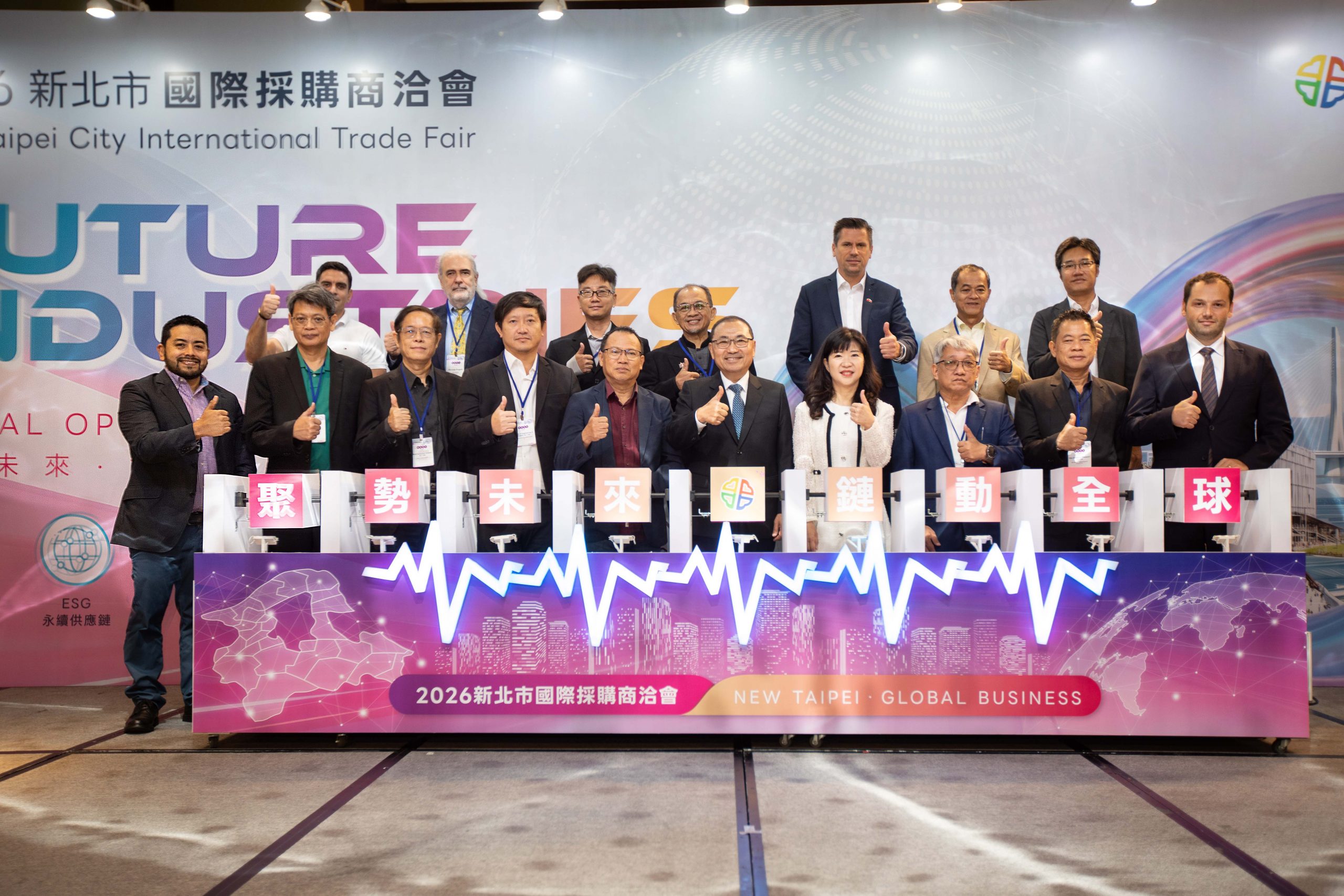
In our recent meetings with Taiwanese companies, we saw a clear understanding of how each business contributes to the IoT value chain. The companies we met had defined areas of expertise. Some focused on hardware and connectivity, while others worked with sensors, gateways, energy systems, communications or software.

This kind of focus can help customers bring together the capabilities an IoT project needs. A company does not have to supply every layer of a solution to play an important role. It can concentrate on its strongest capability and work with partners whose products and services complement its own.

IoT projects often span devices, networks, data platforms, applications and services. When suitable partners can work together across those layers, customers have more ways to shape a solution around their operational needs.

FAVORIOT’s role in the stack

FAVORIOT provides an AIoT platform for operational visibility. It helps organisations collect data from connected assets, see what is happening and respond when action is needed.
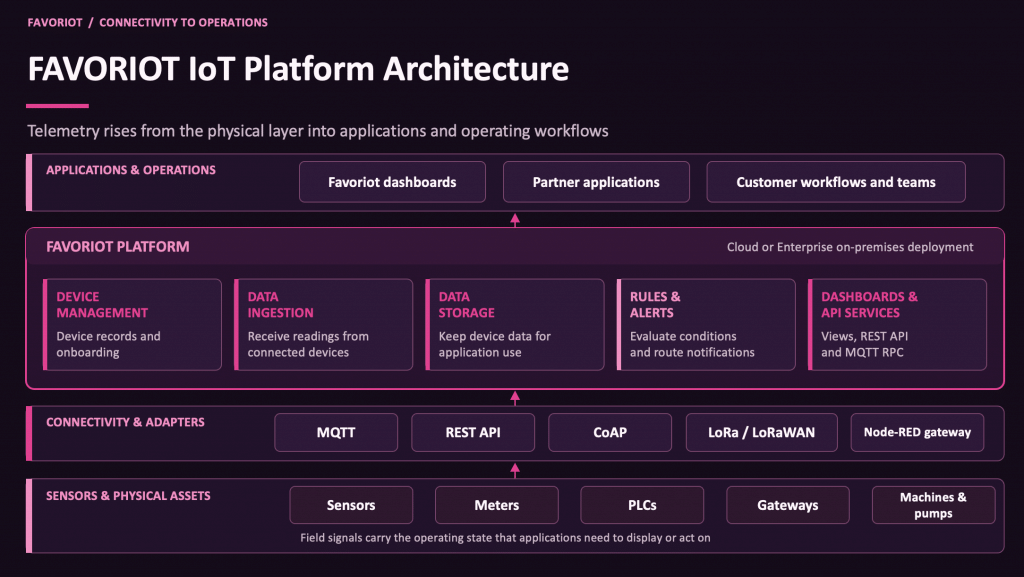
We can work alongside companies that bring the sensors, devices, gateways, connectivity, specialist applications, deployment expertise or customer relationships. Each partner contributes a part of the solution, while the customer gets a clearer view of how the parts can work together.

Our aim is to make the platform useful within a wider ecosystem. Partners can bring their existing strengths and customer knowledge, while FAVORIOT provides the platform capabilities needed to connect data with operational awareness.

What customers can gain from multiple partners

A partner network with complementary capabilities can support customers in several ways:

  • A more complete solution: Customers can bring together devices, connectivity, platforms and services from companies with relevant expertise.
  • Clearer ownership: Each partner can define the work it is equipped to deliver and support.
  • Access to more markets: Partners can introduce the group to customers and regions that may be difficult to reach alone.
  • Quicker project starts: Existing products and experience can help teams avoid rebuilding every part of a solution.
  • More suitable options: Customers can choose technologies that fit their budget, site conditions and technical requirements.
  • Greater confidence: A customer’s trust in one partner can help begin conversations with other specialists in the group.
  • More than one route to market: Partners can bring opportunities through different sales channels and customer relationships.
  • Shared growth: A successful deployment can create new opportunities for services, joint offers and expansion into other markets.

Good collaboration starts with a clear understanding of the customer’s problem. The partners then need to agree on the project scope, responsibilities and how their products or services will work together. That gives each company a practical basis for contributing.

Making every role count

Our meetings in Taiwan reinforced the value of companies being clear about what they do well and open to working with others. For FAVORIOT, that means focusing on our role in operational visibility and connecting our platform with the strengths of partners across the IoT stack.

Customers benefit when the team around them brings the right capabilities and works towards a shared outcome. Partners benefit when they can contribute from their area of expertise and reach opportunities together.

That is the kind of ecosystem we want to build: each company brings a clear strength, the parts work together, and customers gain a practical path from connected assets to better operational awareness.

If you want to be part of Favoriot partner, contact us here.

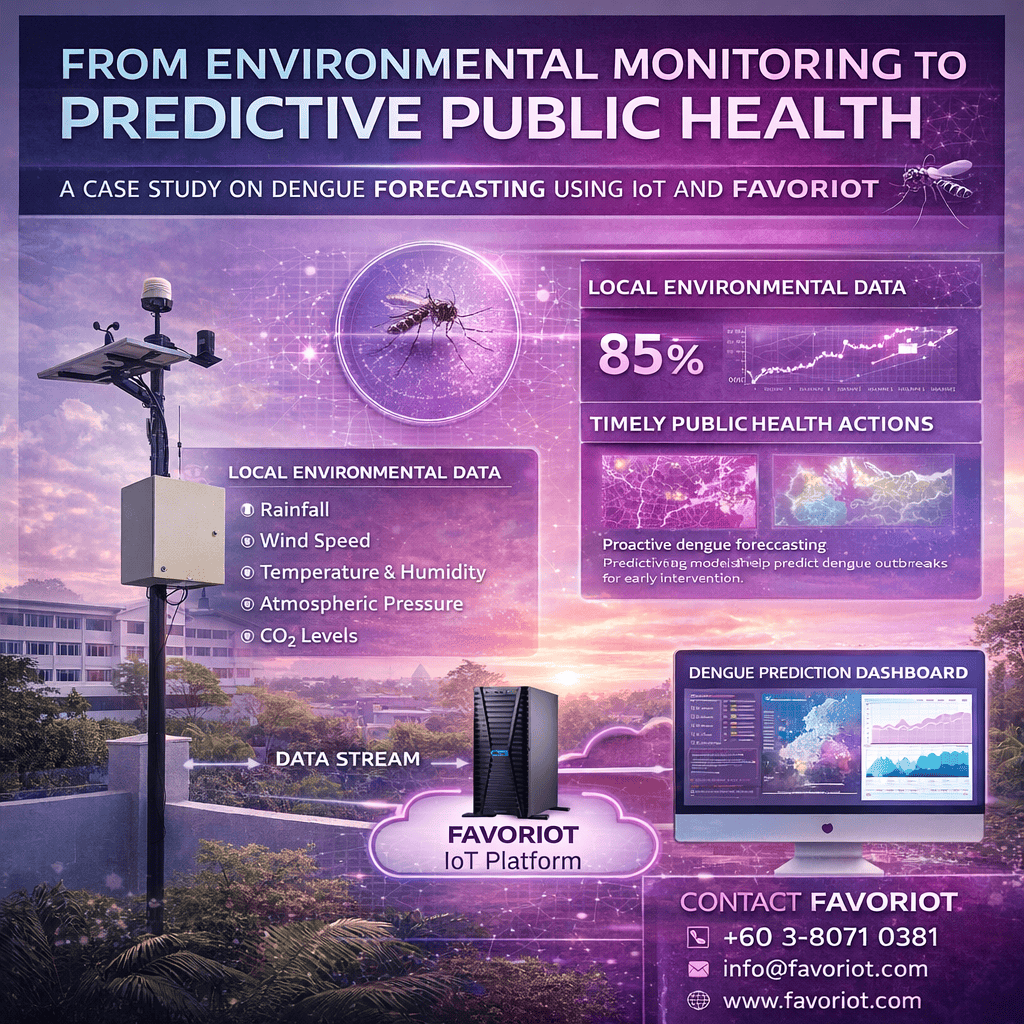
From Environmental Monitoring to Predictive Public Health: A Favoriot Case Study on Dengue Forecasting

This IoT Project Predicted Dengue Before It Happened – A Favoriot Success Story

March 27th, 2026 Posted by BLOG, HOW-TO, Internet of Things, IOT PLATFORM 0 thoughts on “This IoT Project Predicted Dengue Before It Happened – A Favoriot Success Story”

Introduction

Dengue fever continues to pose a significant public health challenge in Malaysia and across many tropical regions. While efforts to manage outbreaks have improved over the years, most interventions remain reactive, often initiated only after cases begin to rise. This delay reduces the effectiveness of containment measures and increases the burden on healthcare systems.

What if outbreaks could be anticipated earlier?

What if environmental signals could be translated into actionable insights before infections spike?

This case study examines how a Malaysian university leveraged the Favoriot platform to enhance its research capabilities in predicting dengue outbreaks. By combining localised environmental monitoring with data analytics and machine learning, the university transitioned from general observation to data-driven prediction.

The Objective: Enabling Predictive Research

The university’s primary objective was to strengthen its research in dengue prediction by collecting localised environmental data. Rather than relying solely on generalised weather reports, the goal was to establish a system to capture real-time, site-specific environmental conditions that influence mosquito breeding and virus transmission.

This initiative aimed to:

  • Improve the accuracy of dengue prediction models
  • Provide researchers with high-quality, continuous datasets
  • Support early warning mechanisms for public health intervention

The Challenge: Limited Granularity in Environmental Data

One of the key challenges faced by the university was the lack of detailed and localised weather data.

Traditional weather monitoring systems typically operate at a regional level. While useful for general forecasting, they often fail to capture micro-environmental variations that are critical in understanding dengue dynamics.

Specifically, the university required:

  • High-resolution data across multiple locations
  • Real-time data availability for timely analysis
  • Integration of multiple environmental parameters in a single system

Without these capabilities, predictive modelling would remain limited in accuracy and reliability.

The Solution: Localised IoT-Enabled Weather Monitoring

To address these challenges, Favoriot deployed a network of mini weather stations across strategic locations within and around the university campus.

Each station was equipped with sensors capable of measuring:

  • Rainfall
  • Wind speed
  • Atmospheric pressure
  • Temperature
  • Humidity
  • Carbon dioxide levels

These stations continuously collected environmental data and transmitted it to the Favoriot IoT platform for centralised processing and analysis.

This approach ensured that data was collected at the source, providing a more accurate reflection of local environmental conditions.

System Architecture: From Data Acquisition to Insight

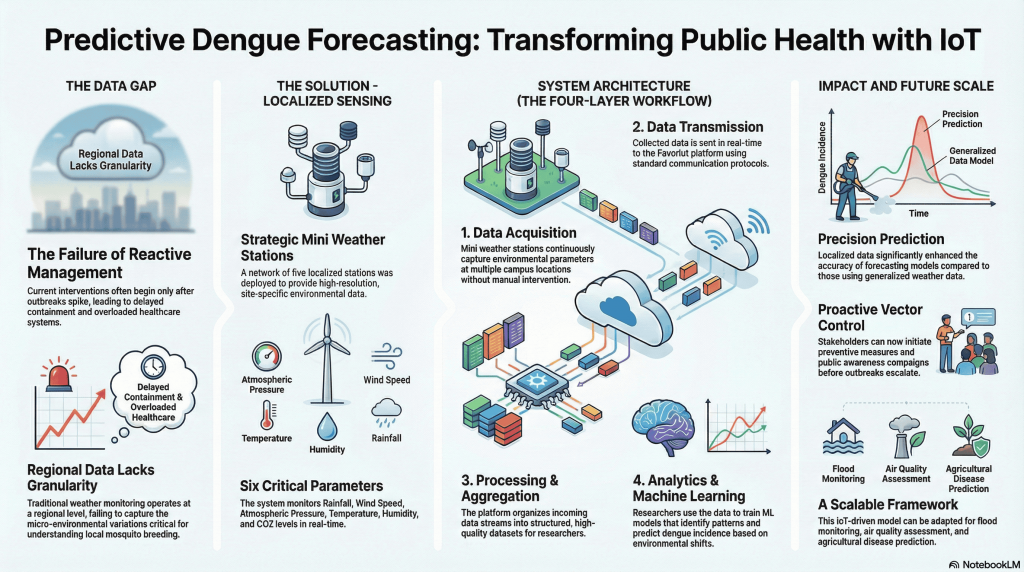
The overall system architecture can be described in four key layers:

1. Data Acquisition

Mini weather stations continuously capture environmental parameters at multiple locations. This ensures consistent and reliable data input without manual intervention.

2. Data Transmission

Collected data is transmitted in real time to the Favoriot platform using standard communication protocols, enabling immediate availability for analysis.

3. Data Processing and Aggregation

The Favoriot platform aggregates incoming data streams, organises them into structured datasets, and prepares them for analytical processing.

4. Analytics and Machine Learning

Researchers utilise the processed data to develop and train machine learning models. These models identify patterns and correlations between environmental conditions and dengue incidence, improving prediction accuracy over time.

Implementation: Structured Deployment and Data Utilisation

The implementation of the system followed a systematic approach:

  • Strategic Deployment: Five mini weather stations were installed in carefully selected locations to ensure optimal data coverage.
  • Continuous Data Collection: Sensors operated continuously, providing real-time environmental data streams.
  • Centralised Data Management: All data was ingested and managed through the Favoriot platform.
  • Research Integration: Data was made accessible to researchers for analysis, modelling, and validation of predictive algorithms.

This structured deployment ensured that the system was both scalable and aligned with the university’s research objectives.

Results: Measurable Improvements in Prediction and Response

The deployment delivered several key outcomes:

Improved Data Accuracy

Localised data collection significantly enhanced the precision of environmental measurements. This allowed researchers to work with more reliable datasets compared to traditional sources.

Enhanced Predictive Modelling

Machine learning models trained on high-quality, localised data demonstrated improved performance in predicting dengue outbreaks. The ability to capture micro-environmental variations contributed to more accurate forecasting.

Support for Proactive Public Health Measures

With improved prediction capabilities, stakeholders can initiate preventive actions earlier. This includes targeted vector control measures, public awareness campaigns, and resource allocation before outbreaks escalate.

Key Insights: Moving Beyond Data Collection

This case highlights an important shift in how IoT is applied in research and public health.

The value of IoT does not lie solely in data collection, but in its ability to:

  • Provide context-rich, localised data
  • Enable continuous monitoring
  • Support advanced analytics and predictive modelling
  • Drive informed decision-making

By connecting environmental data to actionable insights, the university elevated its research from observation to prediction.

Broader Implications: A Scalable Model for Other Domains

The approach demonstrated in this project can be extended beyond dengue prediction.

Similar frameworks can be applied to:

  • Flood monitoring and early warning systems
  • Air quality assessment in urban areas
  • Agricultural disease prediction
  • Urban climate analysis

In each case, the combination of localised sensing, real-time data processing, and intelligent analytics can significantly improve outcomes.

Conclusion

This case study demonstrates how integrating IoT and data analytics can enhance research capabilities and drive real-world impact.

By deploying localised weather stations and leveraging the Favoriot platform, the university successfully improved its ability to predict dengue outbreaks. The result is not only better research outcomes but also a stronger foundation for proactive public health strategies.

The transition from reactive response to predictive insight represents a meaningful step forward in managing complex health challenges.

For Further Inquiry

Organisations interested in developing similar solutions for environmental monitoring, predictive analytics, or smart city applications are encouraged to connect with Favoriot:

Engage with Favoriot to explore how data can be transformed into actionable intelligence for your specific use case.

MQTT vs HTTP Protocol: Part-1

February 4th, 2025 Posted by BLOG, Internet of Things 0 thoughts on “MQTT vs HTTP Protocol: Part-1”

Today, we’ll examine the difference between MQTT (Message Queuing Telemetry Transport) and HTTP (HyperText Transfer Protocol).

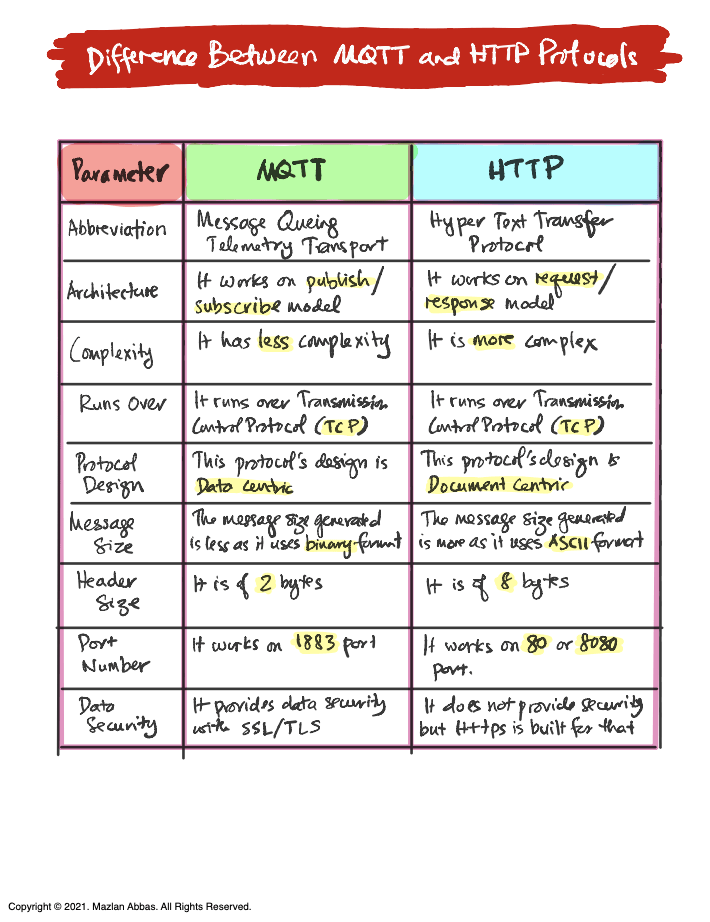
These two protocols are widely used in IoT and the Internet but have distinct purposes and designs. Let’s break them down in a simple way based on the diagram.

1. Abbreviation and Overview

  • MQTT: Stands for Message Queuing Telemetry Transport. It is a lightweight protocol for IoT systems with limited bandwidth and power.
  • HTTP: Stands for HyperText Transfer Protocol. It is commonly used for web communication, such as browsing and APIs.

2. Architecture

MQTT: Works on a publish/subscribe model. Devices (clients) can publish data to topics, and others can subscribe to receive updates.

  • Example: A temperature sensor publishing updates while a user’s smartphone subscribes to receive the data.

HTTP: Operates on a request/response model. The client sends a request, and the server responds.

  • Example: Browsing a website, where the browser requests a page, and the server sends it.

3. Complexity

  • MQTT: Less complex, making it easier to implement in resource-constrained devices like IoT sensors.
  • HTTP: More complex, as it involves more overhead to handle documents and media.

4. Transmission Protocol

  • Both protocols run over TCP (Transmission Control Protocol), which ensures reliable data delivery.

5. Protocol Design

  • MQTT: Data-centric, designed to handle small, lightweight data packets efficiently.
  • HTTP: Document-centric, designed for transferring web pages and files.

6. Message and Header Size

MQTT:

  • Message Size: Smaller, as it uses a binary format.
  • Header Size: Only 2 bytes, making it very lightweight.

HTTP:

  • Message Size: Larger, as it uses ASCII format, which is not as efficient.
  • Header Size: 8 bytes, which adds overhead.

7. Port Number

  • MQTT: Uses port 1883.
  • HTTP: Typically uses port 80 or 8080 for communication.

8. Data Security

  • MQTT: Supports SSL/TLS, ensuring secure data transfer.
  • HTTP: It does not have built-in security, but you can use HTTPS for secure communication.

Key Differences Summary

  • MQTT is lightweight, efficient, and ideal for IoT applications where devices have limited power and bandwidth.
  • HTTP is more suitable for web-based applications requiring rich document exchange.

Practical Applications:

  1. Use MQTT for IoT systems like home automation or sensor networks, where data needs to be transmitted efficiently in real-time.
  2. Use HTTP for applications like APIs or websites requiring document exchange and richer content.

Discussion Question: Based on these differences, which protocol is better suited for an IoT application like a smart home system? Let’s discuss it!

[Based on eBook — IoT Notes by Mazlan Abbas]

Copyright © 2026 All rights reserved